Airtight-T
For external wind protection as membrane/fabric tejpbredd 60mm och för skivor 75mm.
Important!
- The surface should be smooth, clean, dry, firm, and grease-free.
- The tape must not be the sole supporting link in the fixation of the substrate.
- Taping should be done on a fixed surface.
- Adheres to multiple surfaces (see product sheet) but if in doubt, always test tape first.
- Store tape rolls in a warm storage during colder weather and use one roll at a time during assembly.
- The curing time for the adhesive may vary depending on factors such as temperature and humidity. Consider
the installation temperature and the condition of the substrate for optimal adhesion. Colder temperatures provide
longer curing time! - Maximum exposure to UV light (sunlight) before facade covering is 3 months.
- The tape should be stored protected from sunlight, moisture, and high temperatures to ensure good aging resistance.
Cut to the appropriate length and remove the protective film during installation. Attach the tape to the surface carefully with pressure (hand or roller) from the center of the tape out towards the edges. For longer tape lengths, remove a little of the protective film first, attach and roll out while gradually pulling off the film. Cut to the desired length. With firm pressure over and along the tape, the best possible adhesion is achieved.
2. Skarv vindskydd/membran
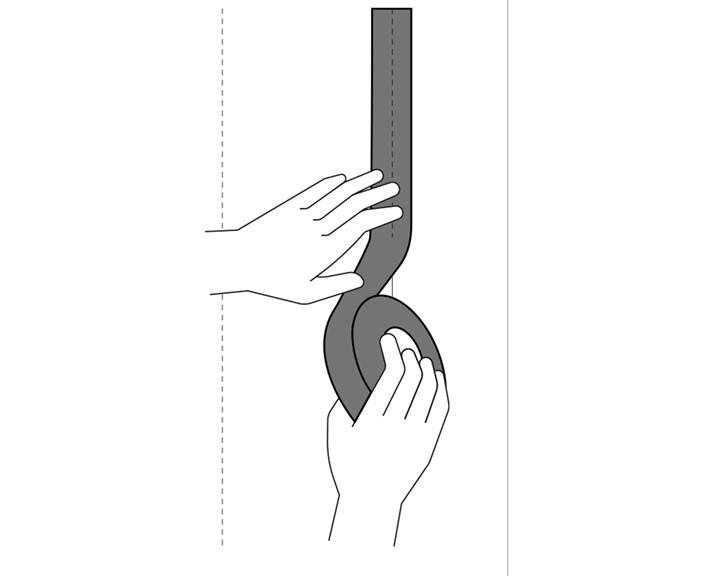
Ensure that the tape is secured to half the width on each side. The installation should be smooth and without gaps, wrinkles, or channels. Generally, the membrane should be fixed to the substrate and frame so that
movements are avoided in joints. In case of risk of subsequent movements, the membrane, over or
under, expand by adding some extra material before the tape joint.
3. Skarv vindskyddsskiva/utvändig board
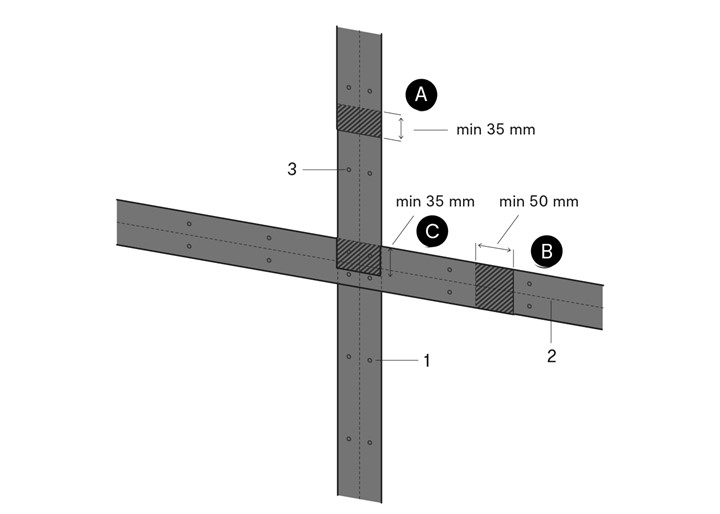
Check beforehand to ensure that the disc fastenings will be covered by the joint tape or if this is a requirement from the disc supplier. Apply additional tape if necessary. Taping is done on fixed and fastened discs where one disc meets another. The tape is attached to half the width of each disc.
( 1 ) Always start with the vertical joints under the lowest horizontal joint (if horizontal exists).
( 2 ) Then, if there is one, it is taped horizontally.
( 3 ) Finally, if there is a vertical joint above a horizontal one, tape it with an overlap down onto the horizontal.
Overlap ( A ) = 35 mm ( B ) = 50 mm ( C ) = 35 mm
4. Fönster-/dörranslutning mot drevspalt
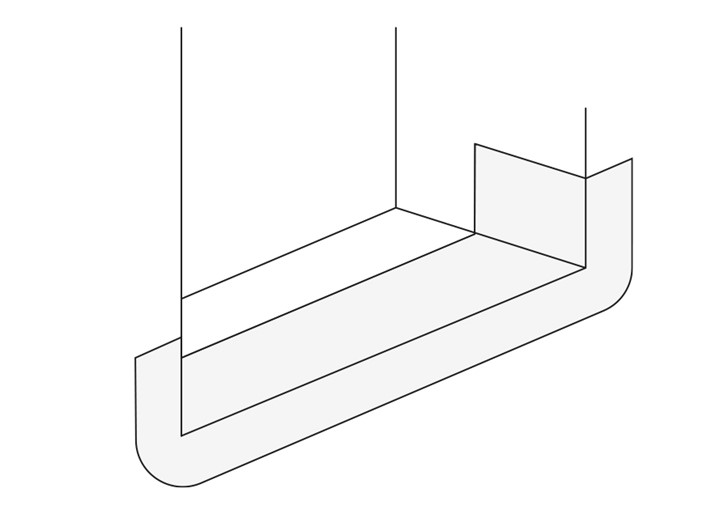
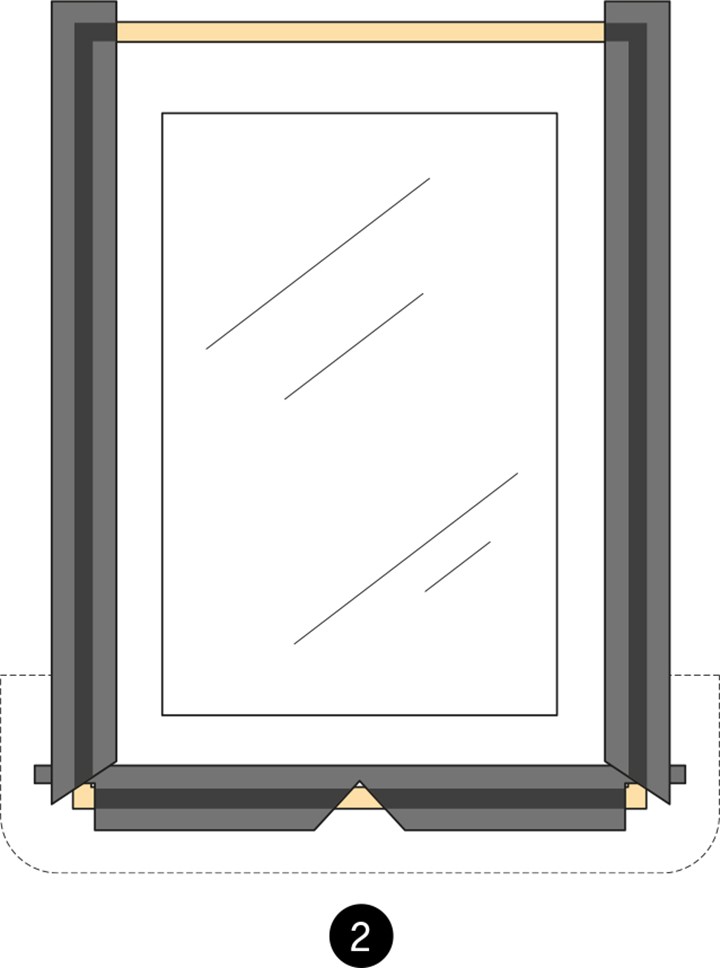
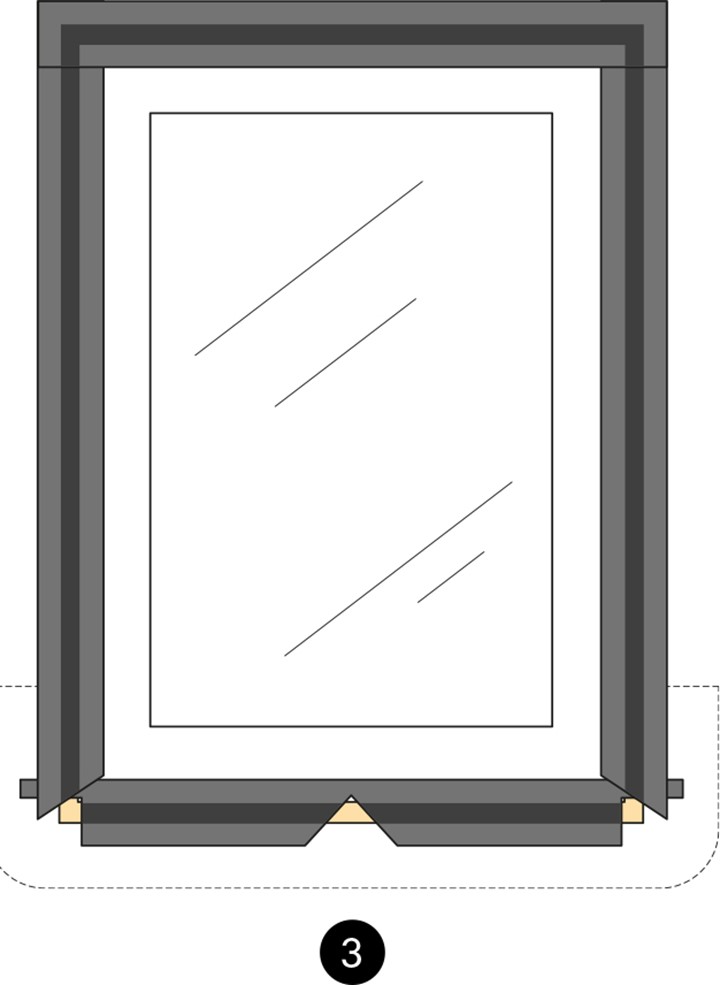
Anslutning av membran-/skivskarv mot fönster- eller dörrkarm och drevningsspalt sker med tejpning runt installerad dörr eller fönster. (1, 2, 3) Förutsättningarna skall gälla att isoleringen (drevningen) är monterad och att den invändigt är lufttätt förseglad korrekt med rekommenderad ändamålsenlig Tätningstejp T-Flex.
( 1 ) Starta med den nedersta tejpen. Beroende av hur bred drevningspalten är och med vilken yta man kan tejpa på karmen (dold tejpning och minst 10 mm) - skärs tejpvåden så att två dräneringshål bildas i de båda nedre hörnen samt minst ett däremellan (ett per 600 mm). Dräneringshålen ska vara ca 20 x 20 mm och säkerställer evakuering av eventuellt och oförutsett inträngande rinnande vatten i spalten! Tejpen bör i nederkant starta och sluta motsvarande som karmen.
( 2 ) Därefter tejpas höger och vänster spalt med vinklade skärningar och avslut i nedre ändarna så att dräneringshålen inte påverkas.
( 3 ) Finally, tape the upper tape and the gap
without customized cutting more than length.
- Innan montaget ska öppningen förses med en sekundärt underliggande tätskikt (Tätningstejp, Flexseal-T) for potential outward drainage.
5. Genomföring bjälke, fyrkantig profil
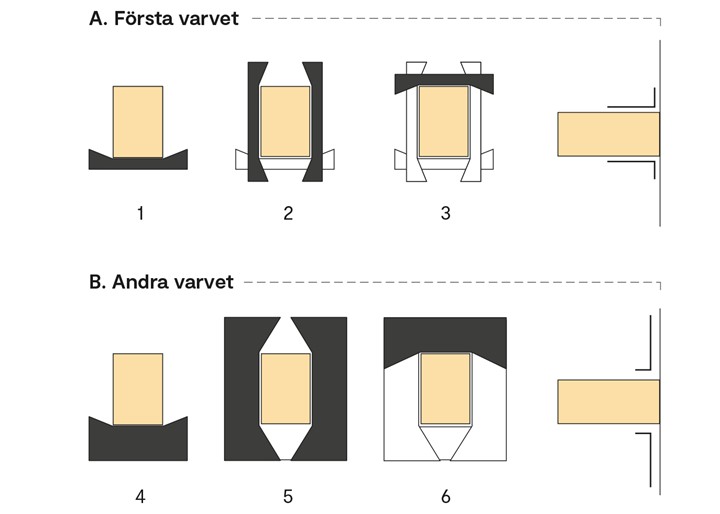
Applies to pass-through in windproof fabric or board. Taping is done overlapping in two rounds around the square profile with one piece of tape per edge and round. The first round (A) is done with 1/3 of the width on the wall surface and 2/3 on the profile/beam according to the order A.1, A.2, and A.3. The second round (B) is performed the same as the first but with 2/3 of the width on the wall surface and 1/3 on the profile/beam (B.4, B.5, and B.6).
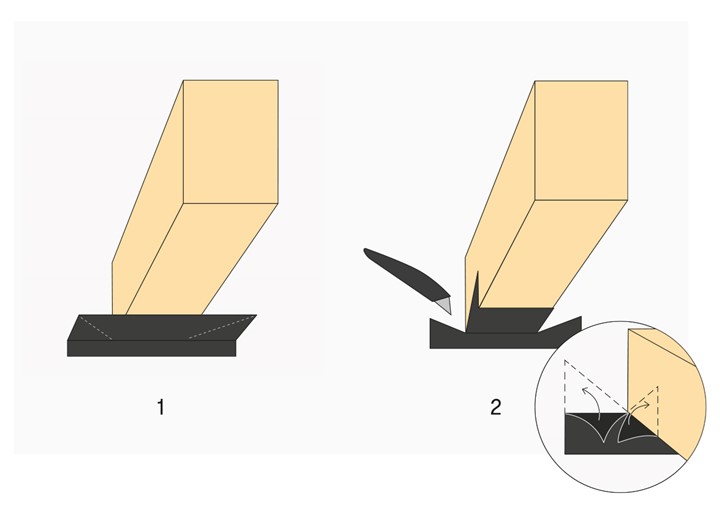
C. Cutting, folding, and overlapping
The tape pieces should, in each round (C), be completely overlapped in the corners and cut with a razor blade (or cut with scissors), about 5 mm from the innermost opposite corner and outward – diagonally (C.1). Fold out these two flaps towards the respective surface (wall and profile/beam) with pressure (C.2). Smooth and press the material carefully, especially in the inner corners. Then continue the same way around (C.3, C.4, and C.5). Finish by pressing and pushing once more around the completed seal (C.6).
6. Skada i vindskydd av duk/membran
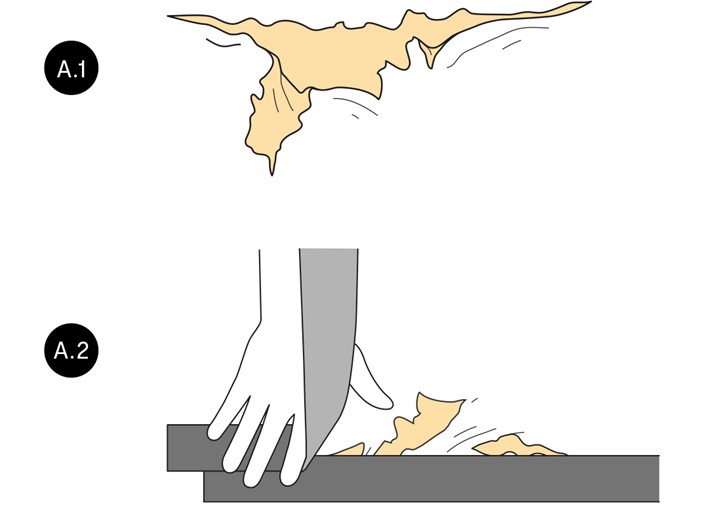
(A) Skada åtgärdas med överlappning av tejpvåder som runt skadan överlappar ca 150 - 200 mm. Vid liggande tejpning skall vådernas placering ske med start nerifrån och överlappande uppåt! Skarv mellan tejpvåder bör vara minst halva tejpbredden. Släta ut det färdigställda förbandet noga. Förstärk, vid behov, förbandet med en eller flera tvärtejpningar i motsatt riktning beroende på storleken.
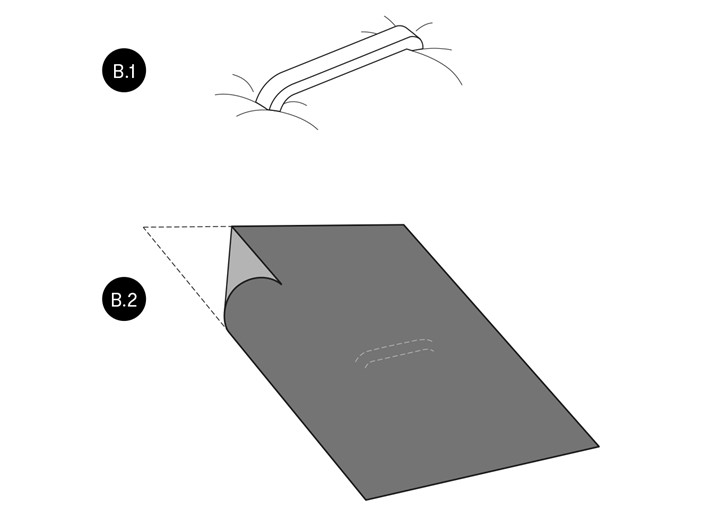
(B) Öppen klammer/infästning tejpas vid behov. Membranunderlag kan också, vid större skada,
repaired and supplemented with an extra patch of the membrane. Use the same recommended
Overlap all around and tape the seam all around according to point 2.
Airtight-T
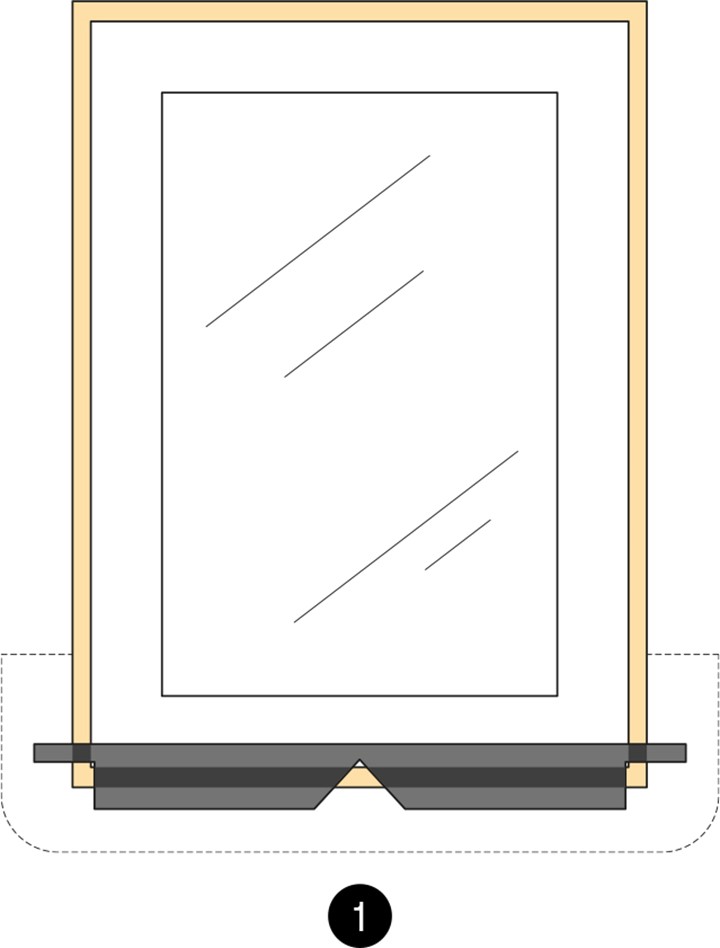
Use as window sealing with protruding window (door) against solid frame with tape width 150 mm.
1. Förarbete
The surface of the frame is primarily cleaned by brushing to remove dirt, debris, and loose particles (1.1). The substrate should also be grease-free, and for more difficult surfaces such as porous materials, pre-treatment with primer is required. Test adhesion on the surface first if in doubt! Avoid installation on wet and damp surfaces or with frost coatings!
Measure and adjust the tape lengths for the four sides of the window and the connection with the expansion joints.
2. Installation
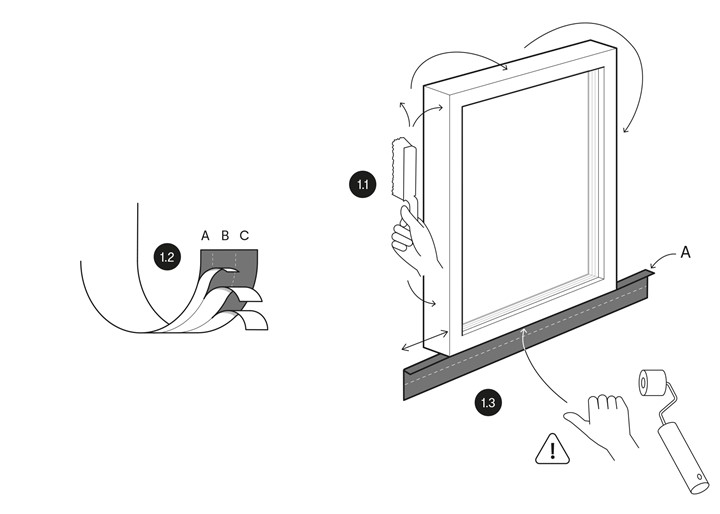
Tejpen (bredd 150 mm) är försedd med delad skyddsfolie på klister-ytorna (1.2). A is the narrowest
samt B och C som bägge är bredare. Vik tejpen längs skarven på A och B:s skyddsfolie så att klisterytan är vänd uppåt med våden så att B och C kan vändas in mot fasaden/ stommen. Avlägsna skyddsfolien och frilägg A:s klisteryta. Fäst denna klisterkant mot fönstrets nedre karm och undersida mot ytterkanten. Släta ut och tryck noga fast klisterkanten och anpassa så att utskjutande mått på vardera sida är minst 100 mm (1.3).
Use rollers to finally secure the tape at all adhesive edge attachments!
3.
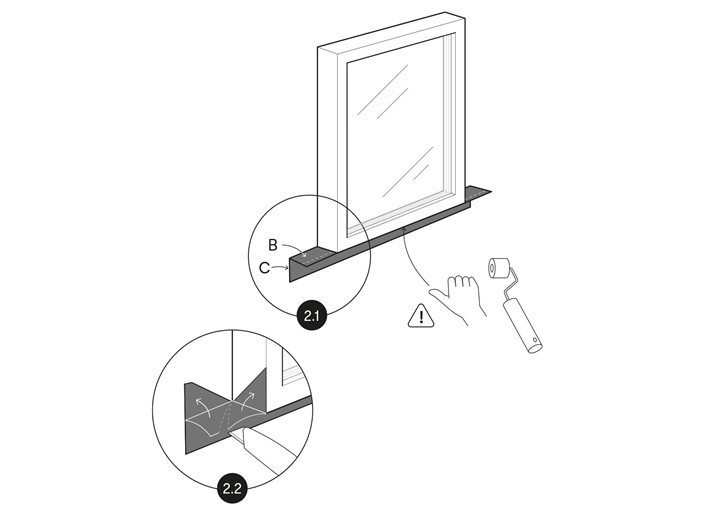
(2.1) Fortsätt med att frigöra skyddsfolien för klisterkant B. Släta ut och tryck noga fast klisterkanten.
Finish and repeat previous steps with protective film and adhesive edge C. Ensure that the transition
with the tape between the frame and the fixed wall/structure, it occurs as tightly as possible into the corner at a right angle (90°)
as possible. Do not overload the material so that it gets damaged!
Use hands and rollers with pressure on all tape surfaces with gentle customized movements!
(2.2) Ta tag i den löst hängande kantens hörnspets Skär försiktigt, med rakbladskniv, ca 5 mm från det innersta motstående hörnet och utåt – diagonalt! Vik upp dessa båda flikar mot respektive yta (vägg och karm) med tryck så att det klistrar jämnt! Släta till och tryck in materialet i innerhörnet! Upprepa samma steg för motstående och andra sidan/kanten.
The technique for mounting the ends should be consistently applied to all the strips around the window!
4.
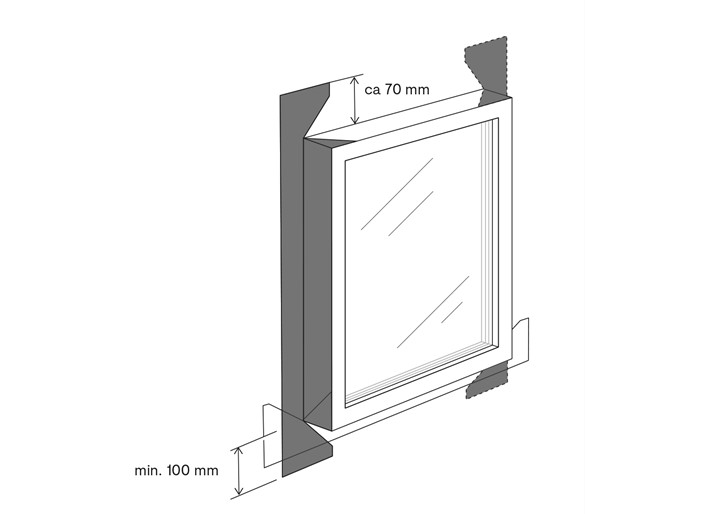
Tape strips are attached to the left and right side of the window
in the same step as items 1 and 2! However, protruding
measurements at the top of the window and for the panels to be
smaller, approx. 70 mm.
5.
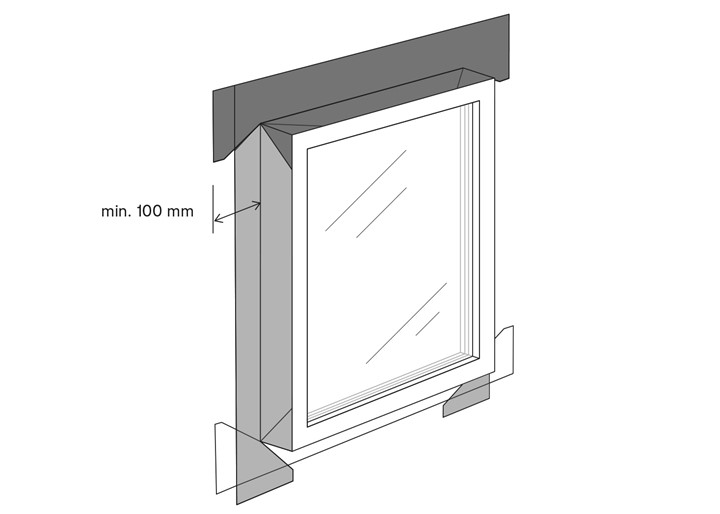
Finally, the top strip of tape is mounted on the upper part of the window in the same way as steps 1 and 2. Finally,
feel – press – roll around the window. Any damage or leaks are repaired/taped over with an extra and new strip!